

 |
| Obraz "An Incident in the Rebellion of 1745" autorstwa Davida Moriera |
Postaram się wam przybliżyć, jak doszło do tej bitwy. Obiecuję, że nie będzie to długa rozprawa historyczna — mam nadzieję, że dotrwacie do końca i zachęceni moją opowieścią odwiedzicie to miejsce. Uwierzcie mi, wizyta tu jest bardzo przejmującym przeżyciem, nawet dla kogoś, kto nie ma w sobie ani kropli szkockiej krwi.
Kim byli Jakobici i dlaczego walczyli? |
| Corporal of a Highland regiment |
Jakobitami
nazywano zwolenników odsunietej w 1689 roku od tronu brytyjskiego dynastii
Stuartów, która panowała w Szkocji od roku 1371 i zasiadała na tronie Anglii od
roku 1603. Dynastia padła w wyniku tzw. Chwalebnej Rewolucji (Glorious
Revolution). Nazwa „jakobici" pochodzi od łacińskiej wersji imienia Jakuba
VII Stuarta, a zwolennicy jego rodu walczyli o przywrócenie władzy jego synom —
Jakubowi Franciszkowi, zwanemu Starym Pretendentem — i wnukowi Karolowi
Edwardowi Stuartowi, czyli słynnemu Bonnie Prince Charlie.
Drugą
ważną przyczyną był wątek dynastyczny — Stuartowie byli dynastią szkocką,
a nie narzuconą przez angielski parlament dynastią hanowerską. Nakładał się na
to jeszcze wątek religijny: Stuartowie byli katolikami i dążyli do przywrócenia
tej religii, co budziło zrozumiałe obawy w protestanckiej Anglii.
 |
Soldiers of the 8th Regiments
|
Rebelie
jakobickie — skrót
- 1689 — pierwsza próba, zakończona
klęską i śmiercią dowódcy Johna Grahama z Claverhouse
- 1715–16 — rebelia po śmierci królowej
Anny, stłumiona bez większego rozlewu krwi
- 1719 — nieudana rebelia z udziałem
hiszpańskich sił wsparcia
- 1745–46 — piąta i ostatnia rebelia,
zakończona bitwą pod Culloden
Powodów do rebelii i niechęci do Anglików było dużo, dużo więcej i swoimi korzeniami sięgały czasów Wiliama Wallace, tak poetycznie przedstawionego przez Mela Gibsona w filmie Braveheart.

Ostatnia
rebelia — i ostatnia szansa Stuartów
Piąta
rebelia jakobicka rozpoczęła się w lipcu 1745 roku, gdy na szkockim wybrzeżu
wylądował Karol Edward Stuart. Armia klanów jakobickich odnosiła
początkowo zaskakujące sukcesy — opanowała całą Szkocję, a nawet wkroczyła w
głąb Anglii, docierając aż do Derby w środkowej Anglii. Powstanie miało realną
szansę na powodzenie.
Jednak
niezdecydowanie jakobickich dowódców, brak szerszego poparcia w Anglii i wieści
o nadciągającej 30-tysięcznej armii królewskiej zmusiły księcia do rozkazu
odwrotu. Odziały jakobickie, ścigane przez wojska Cumberlanda, wycofały się na
północ w okolice Inverness.

16 kwietnia 1746 roku, na wrzosowiskach pod Culloden, rozegrała się kulminacyjna
bitwa. Trwała zaledwie czterdzieści minut. Jakobici ponieśli druzgocącą klęskę.
Zginęło
ponad tysiąc powstańców, podczas gdy straty po stronie królewskiej wyniosły
zaledwie 52 żołnierzy. Większość Jakobytów zginęła uciekając, ścigana przez
kawalerię rojalistów. Żołnierze Cumberlanda nie oszczędzali również cywilów,
którzy przybyli oglądać bitwę — zginęły ich setki.
Bonnie Prince Charlie ratował się ucieczką z pola walki. Przez wiele miesięcy ukrywał się przebrany za kobietę, zanim dotarł na wyspę Skye i przeprawił się łodzią do Francji, gdzie spędził resztę swojego życia.
 |
Cumberland stone
|
Odwet
— zmierzch świata klanów
Cumberland
— nazwany przez Szkotów „Rzeźnikiem" — w krwawy sposób rozprawił się z
tymi, którym udało się ujść z placu boju. Bezpośrednio po bitwie 121 jeńców
straciło życie (kilku magnatów przez ścięcie, pozostali przez powieszenie).
Około 1150 osób deportowano za morze, głównie do kolonii w Ameryce. Los wielu
uczestników bitwy pozostał nieznany.
Represje
były srogie i miały jeden cel: zniszczyć tradycyjną strukturę więzi klanowych.
Ustawa z 1747 roku znosiła dziedziczną jurysdykcję naczelników klanów i zrywała
feudalne więzy łączące dzierżawców z właścicielami ziemskimi. Majątki wielu
jakobitów zostały skonfiskowane. Zakazano używania języka gaelickiego, gry na
dudach oraz noszenia tradycyjnego stroju — w tym słynnego kiltu. Powszechne
stały się gwałty, grabieże i niszczenie majątku przez stacjonujące angielskie
wojsko.
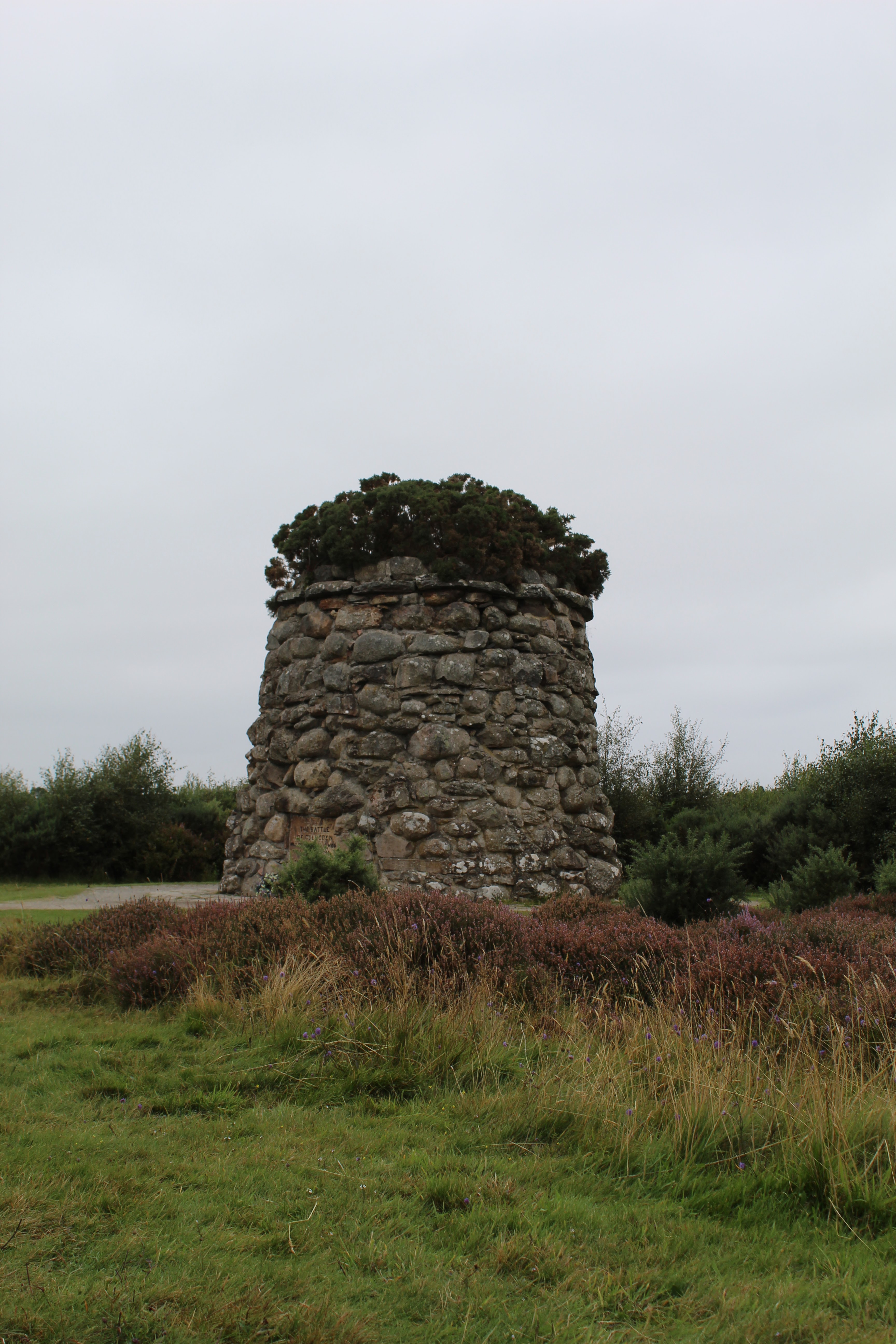

Miejsce to jest przez wielu Szkotów uważane za święte. I nawet jeśli historia jakobitów jest dla ciebie tylko lekcją z podręcznika, stanie na tym wrzosowisku robi coś z człowiekiem. Cisza, kamienne płyty z nazwami klanów, wiatr — i poczucie, że ziemia wciąż to pamięta. Po ponad 270 latach od bitwy pamięć o tamtych wydarzeniach jest tu wciąż żywa.


Władze
były zdecydowane uczynić wszystko, by podobna rebelia nigdy się już nie
powtórzyła. Do wydarzeń tych nawiązuje powieść Roberta Louisa Stevensona „Porwany
za młodu" (Kidnapped).
Clava Cairns — prehistoria tuż obok pola bitwy
Niewielu
odwiedzających wie, że zaledwie kilkaset metrów od centrum dla zwiedzających
leżą Clava Cairns — jeden z najlepiej zachowanych kompleksów
kamiennych grobowców w Szkocji, liczących sobie niemal 4000 lat. To miejsce
zupełnie innego rodzaju — ciche, przejmujące, otoczone drzewami.
Jeśli
będziecie w okolicach Culloden, bardzo polecam dołączyć Clava Cairns do trasy.
Połączenie prehistorycznego miejsca kultu z polem ostatniej jakobickiej bitwy
tworzy niezwykłą podróż przez szkocką historię — od epoki brązu po XVIII wiek —
w ciągu jednego popołudnia. Miłośnicy serialu Outlander będą
wniebowzięci: to właśnie Clava Cairns zainspirowały autorke powieści przy
tworzeniu legendarnych kamiennych kręgów Craigh na Dun.
🗺
Praktyczne informacje
- Lokalizacja: Culloden
Moor, Inverness IV2 5EU — ok. 8 km na wschód od centrum Inverness
- Visitors Centre: nowoczesne,
interaktywne muzeum National Trust for Scotland — warto zarezerwować bilet
online z wyprzedzeniem
- Historic Scotland / NTS card: posiadacze
karty NTS wchodzą bezpłatnie — polecam, jeśli zwiedzasz więcej miejsc w
Szkocji
- Clava Cairns: bezpłatne,
czynne całą dobę — parking bezpłatny, 2 km od Visitors Centre
- Czas zwiedzania: minimum
2–3 godziny na oba miejsca
- Najlepszy czas: wczesne
godziny poranne lub późne popołudnie poza sezonem — pole bitwy nabiera
wtedy szczególnej atmosfery

Culloden Battlefield and Jacobites
The battle that changed the face of Scotland forever —
and a field that Scots still hold sacred to this day.
The Battle of Culloden changed the course of Scottish
history. It was fought on 16 April 1746, between the Scots — Jacobite
supporters of the Stuart dynasty, backed by French forces — and the royal army
of George II, commanded by the Duke of Cumberland. It was the culminating point
of the last Jacobite rising. After the defeat of the rebels, bloody reprisals
followed, and Scottish hopes of restoring the Stuarts and regaining their
former autonomy were buried for more than two centuries.
I have visited Culloden Battlefield twice. I also pass
by it often. The crowds of tourists visiting the Visitors Centre and
the battlefield are remarkable — and that is hardly surprising. In recent
years, international interest has been driven enormously by the success of the
TV series Outlander, based on Diana Gabaldon's novels.
I will try to tell you how this battle came about. I
promise it will not be a lengthy history lecture — I hope you will stay with me
to the end, and that my account will inspire you to visit the place. Believe
me, coming here is a deeply moving experience, even for someone without a
single drop of Scottish blood in their veins.
Who Were the Jacobites and Why Did They Fight?
The Jacobites were supporters of the Stuart dynasty,
removed from the British throne in 1689, which had ruled Scotland since 1371
and England since 1603. The dynasty fell as a result of what became known as
the Glorious Revolution. The name "Jacobite" derives from
the Latin form of the name of James VII of Scotland (James II of England), and
his followers fought to restore power to his descendants — his son James
Francis Edward, known as the Old Pretender — and his grandson Charles
Edward Stuart, the famous Bonnie Prince Charlie.
Why did the Jacobites find such fertile ground in
Scotland rather than England? The immediate cause was deep resentment at the
Anglo-Scottish Union of 1707. The Union unified trade and monetary systems
between the two countries, but at the same time reduced Scotland to a
subordinate role and undermined the economic interests of many clans. Scots did
not want changes that threatened their way of life and their traditions.
A second important factor was the dynastic question:
the Stuarts were a Scottish dynasty, not a foreign House of
Hanover imposed by the English Parliament. Layered on top of this was religion
— the Stuarts were Catholic and sought to restore that faith, which
understandably alarmed Protestant England.
The Jacobite Risings — A Brief Overview
- 1689 — the first attempt, ending in defeat and the death of its
commander, John Graham of Claverhouse
- 1715–16 — a rising following the death of Queen Anne, suppressed
without great bloodshed
- 1719 — an unsuccessful rising with Spanish military support
- 1745–46 — the fifth and final rising, ending with the Battle of
Culloden
The Last Rising — and the Stuarts' Last Chance
The fifth Jacobite rising began in July 1745,
when Charles Edward Stuart landed on the Scottish coast. The
Jacobite clan army achieved surprising early successes — it seized all of
Scotland and even marched deep into England, reaching Derby in the English
Midlands. The rebellion had a genuine chance of success.
However, the indecision of the Jacobite commanders,
the absence of wider English support, and reports of an approaching royal army
30,000 strong forced the Prince to order a retreat. The Jacobite forces,
pursued by Cumberland's troops, withdrew northwards to the area around
Inverness.
On 16 April 1746, on the moorlands of Culloden, the
decisive battle was fought. It lasted just forty minutes. The Jacobites were
utterly defeated.
More than a thousand rebels were killed, while royal
losses amounted to just 52 soldiers. Most of the Jacobites died during the
flight from the field, cut down by royalist cavalry. Cumberland's soldiers
showed no mercy to the civilians who had gathered to watch the battle either —
hundreds of them perished.
Bonnie Prince Charlie fled the field. For many months
he moved through the Highlands in disguise, at one point dressed as a woman,
before finally reaching the Isle of Skye and escaping by boat to France, where
he spent the rest of his life.
The Aftermath — The End of the Clan World
Cumberland — nicknamed "the Butcher" by the
Scots — dealt ruthlessly with those who had managed to escape the battlefield.
In the immediate aftermath of the battle, 121 prisoners were executed (several
noblemen by beheading, the rest by hanging). Around 1,150 people were
transported overseas, mainly to the American colonies. The fate of many
participants in the battle was never established.
The reprisals were severe and had a single purpose: to
destroy the traditional structure of clan bonds. The Act of 1747 abolished the
hereditary jurisdiction of clan chiefs and severed the feudal ties between
tenants and landowners. The estates of many Jacobites were confiscated. The use
of the Gaelic language, the playing of bagpipes, and the wearing of traditional
Highland dress — including the famous kilt — were all banned. Rape, looting and
the destruction of property by the occupying English troops became commonplace.
The authorities were determined to do everything in
their power to ensure that such a rebellion could never happen again. These
events are reflected in Robert Louis Stevenson's novel Kidnapped.
Clava Cairns — Prehistory on the Doorstep of the
Battlefield
Few visitors realise that just a few hundred metres
from the Visitors Centre lie the Clava Cairns — one of the
best-preserved complexes of Bronze Age burial cairns in Scotland, nearly 4,000
years old. It is a place of an entirely different character: quiet, haunting,
encircled by trees.
If you find yourself near Culloden, I warmly recommend
adding Clava Cairns to your itinerary. Combining a prehistoric place of burial
with the site of the last Jacobite battle makes for a remarkable journey
through Scottish history — from the Bronze Age to the eighteenth century — in
the space of a single afternoon. Fans of Outlander will be
thrilled: it was Clava Cairns that inspired the author when creating the
legendary standing stones of Craigh na Dun.
🗺
Practical Information
- Location: Culloden Moor, Inverness IV2 5EU — approx. 8 km east of
Inverness city centre
- Visitors Centre: a modern, interactive National Trust for Scotland museum —
booking tickets online in advance is recommended
- NTS membership: NTS members enter free of charge — well worth it if you plan
to visit multiple historic sites in Scotland
- Clava Cairns: free entry, open at all times — free car park, 2 km from the
Visitors Centre
- Time needed: allow a minimum of 2–3 hours for both sites
- Best time to visit: early morning or late afternoon out of season — the
battlefield takes on a particularly powerful atmosphere at those hours
This place is considered sacred by many Scots. And
even if the story of the Jacobites is, for you, no more than a chapter in a
history book, standing on that moorland does something to you. The silence. The
stone markers bearing clan names. The wind. And the feeling that the ground
still remembers. More than 270 years on, the memory of what happened here is
still very much alive.
Perhaps reading this post will help you understand why
Scots cling so stubbornly to the idea of independence, and why their
relationship with England remains so complex. History rarely ends where battles
do.

 |
Culloden House. Historic building. Bonnie Prince Charliespent here last night before the battle. |

Kolejny fajnie napisany post.
OdpowiedzUsuńPozdrawiam z Bristolu
Marek
Dziękuję 😊
UsuńDzięki serialowi Outlander, dość wnikliwie zainteresowałam się historią i kulturą materialną Szkotów. Szkoci, to nie tylko strój góralski i... dudy. Jakże długa, zagmatwana i bohaterska jest historia tego Narodu. Krajobrazy zapierają dech, to zupełnie inna Kraina od południowej części Wyspy. Niepodległość dla Szkotów.
OdpowiedzUsuńBardzo dziękuję za ten wpis. Wstyd mi ze odpowiadam tak późno. Z pewnością wpis zostałby bez odpowiedzi, gdyby nie fakt ze dzisiaj przypada 280 rocznica bitwy.
UsuńDziękuję i pozdrawiam
Agnieszka